As March progresses, the construction machinery sector across Oceania demonstrates resilience amidst fluctuating economic conditions.
Infrastructure Projects Fuelling Growth

March sees sustained infrastructure investment from governments in Australia and New Zealand, significantly impacting demand for construction machinery. Australia's infrastructure pipeline includes major transportation projects such as the AUD 20 billion Sydney Metro expansion and the AUD 15 billion Melbourne Suburban Rail Loop. Additionally, New Zealand has committed NZD 8 billion towards housing and public infrastructure improvements over the next five years.
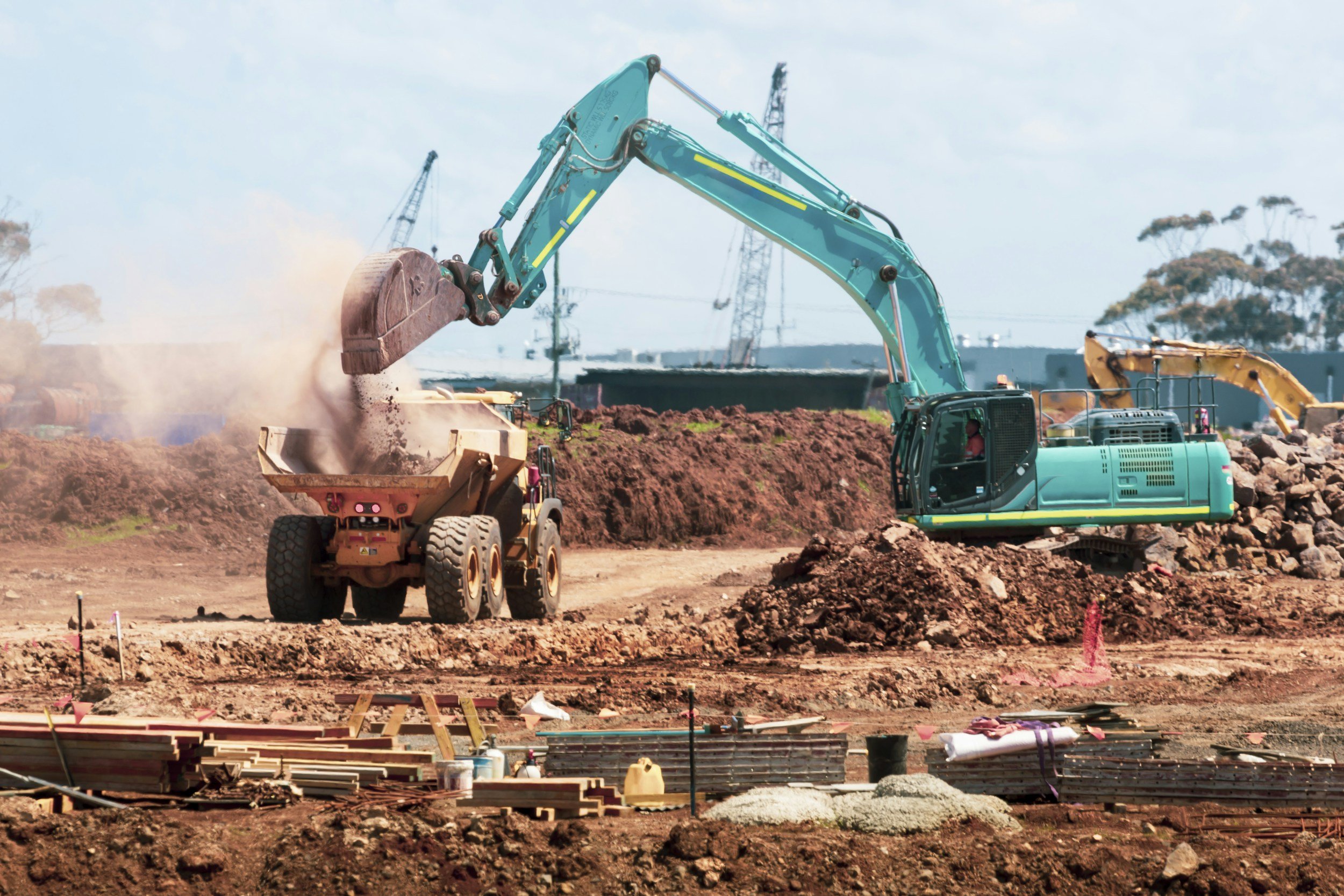
These substantial investments directly drive increased demand for heavy machinery including excavators, cranes, loaders and bulldozers. Urban expansion and steady population growth, projected at 1.5% annually in Australia and 1.2% in New Zealand, continue to underpin machinery utilisation rates and strong market demand.
Sustainability Initiatives Accelerating
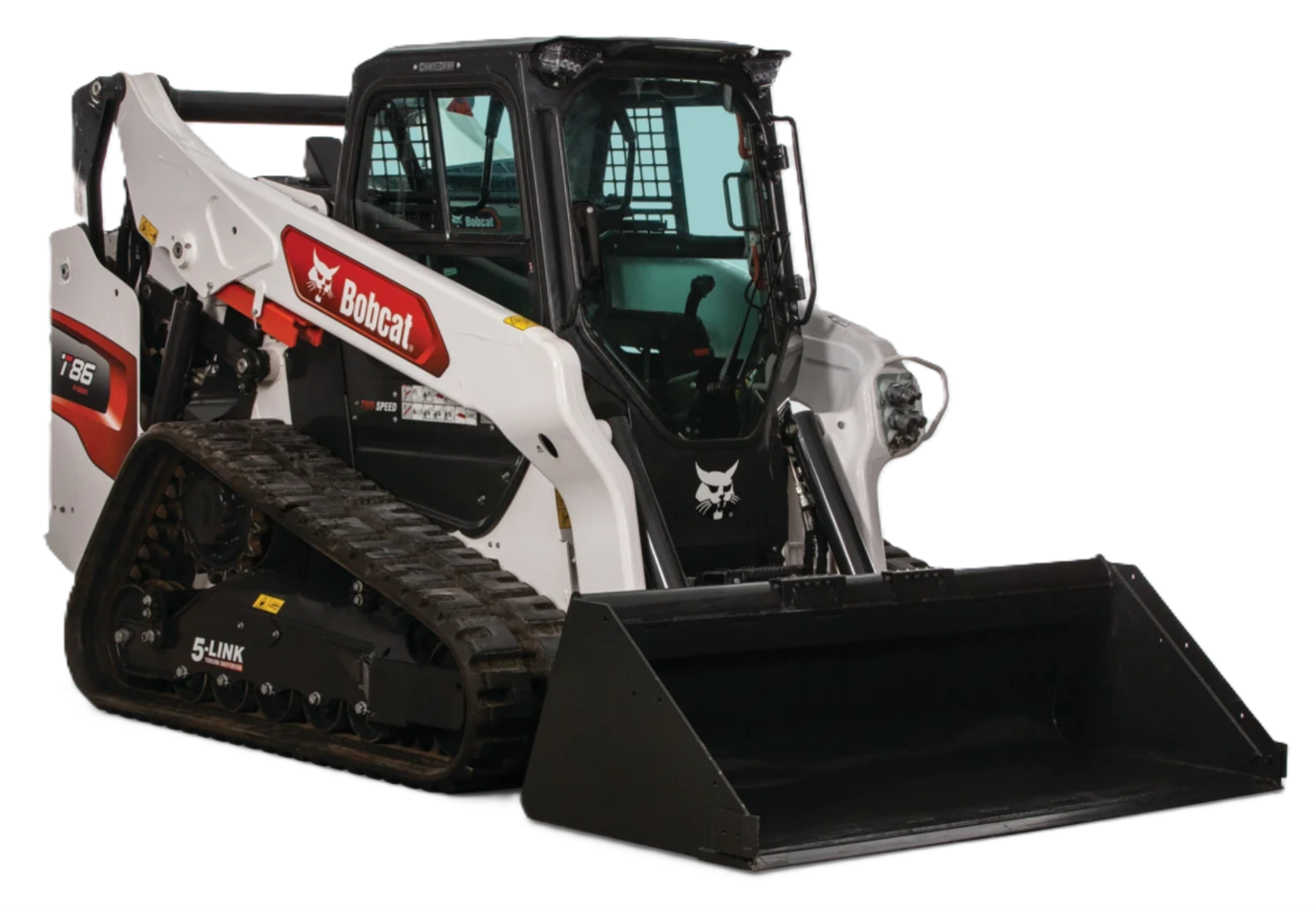
Environmental concerns and regulatory pressures are rapidly advancing sustainability initiatives within the industry. Electric and hybrid machinery sales increased by approximately 18% year-on-year, demonstrating a clear shift towards cleaner technologies. Leading manufacturers have expanded their electric machinery portfolios, driven by tightened emission standards and heightened environmental awareness among customers.
Governments in Oceania are actively supporting this trend with incentives; Australia's Clean Energy Finance Corporation (CEFC) has allocated AUD 1.5 billion specifically to support low-emission construction technologies over the next three years.
Supply Chain Dynamics and Pricing
Supply chain disruptions that plagued the industry last year have seen gradual improvements in early 2025; however, lingering issues continue to impact the sector. Component shortages remain particularly acute in electronic chips, specialty parts and hydraulic components, contributing to price increases of 5% to 10% across various machinery categories compared to pre-pandemic levels.
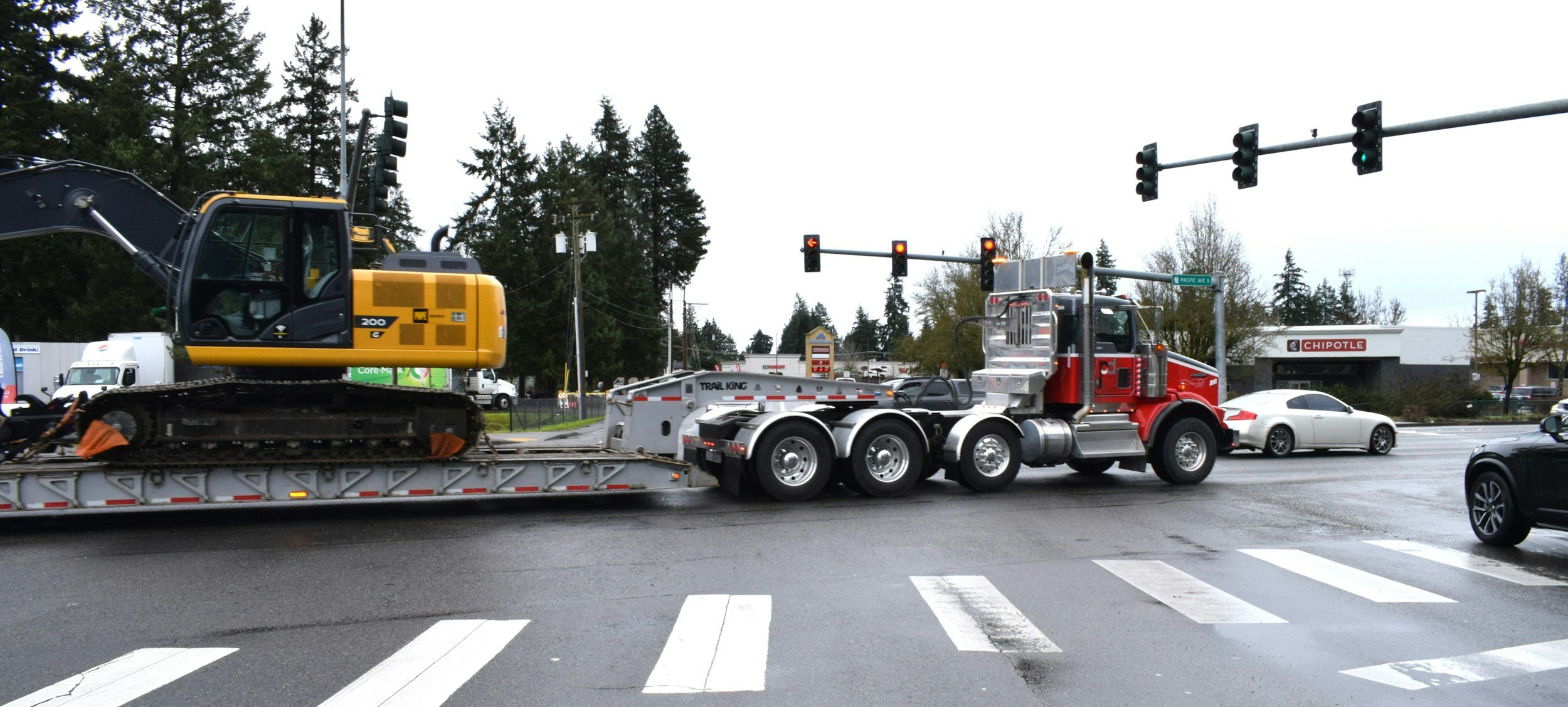
Transportation and logistics delays are improving but continue to add approximately 2-3 weeks to average delivery times. Shipping costs have stabilised slightly but remain elevated by roughly 15% compared to historical averages. The equipment rental and leasing markets are witnessing rapid growth, with an estimated increase of approximately 12% year-over-year as smaller operators favour flexible leasing solutions.
Economic Environment and Outlook
Economic conditions in Oceania reflect cautious optimism. Australia's economy grew by 2.7% year-on-year in the most recent quarter, buoyed by robust infrastructure spending in transportation and renewable energy. New Zealand also recorded steady growth at 2.4%, reflecting government initiatives to modernise infrastructure and increase urban housing capacity.
Interest rates have adjusted slightly upwards to manage inflationary pressures, currently sitting at 4.1% in Australia and 4.5% in New Zealand. While this may temper some investor enthusiasm, the broader sentiment remains stable due to continued government-backed infrastructure investment. The Oceania construction machinery sector specifically benefits from a projected infrastructure spending of approximately AUD 120 billion across Australia and NZD 18 billion in New Zealand over the next five years.
Looking Ahead
Sino Partners continues to actively monitor industry developments, helping clients navigate challenges and capitalise on emerging opportunities. By staying informed on trends, market shifts and technological innovations, we ensure our partners remain well-prepared and strategically positioned for future success.
Stay connected with Sino Partners for ongoing, insightful updates that help shape informed decision-making in the construction machinery sector.
Contact Us TodayAt Sino Partners, your success is our success.
.png)
.png)