If you walk onto a construction site in Europe or North America, chances are you will see a telehandler.
Not sometimes. Almost always.
For 40+ years, telehandlers have been one of the top three core equipment categories in developed construction markets. And yet - in China - they are still relatively niche.
That contrast alone is worth thinking about.
As more Chinese OEMs expand globally, we are now seeing a wave of telehandler projects. Large manufacturers, mid-size factories, even companies that previously focused on skid steers or wheel loaders are entering the segment. But before building the next generation, it is important to understand: why did telehandlers succeed in the West in the first place? What engineering decisions shaped the category? And where is the next strategic opportunity?
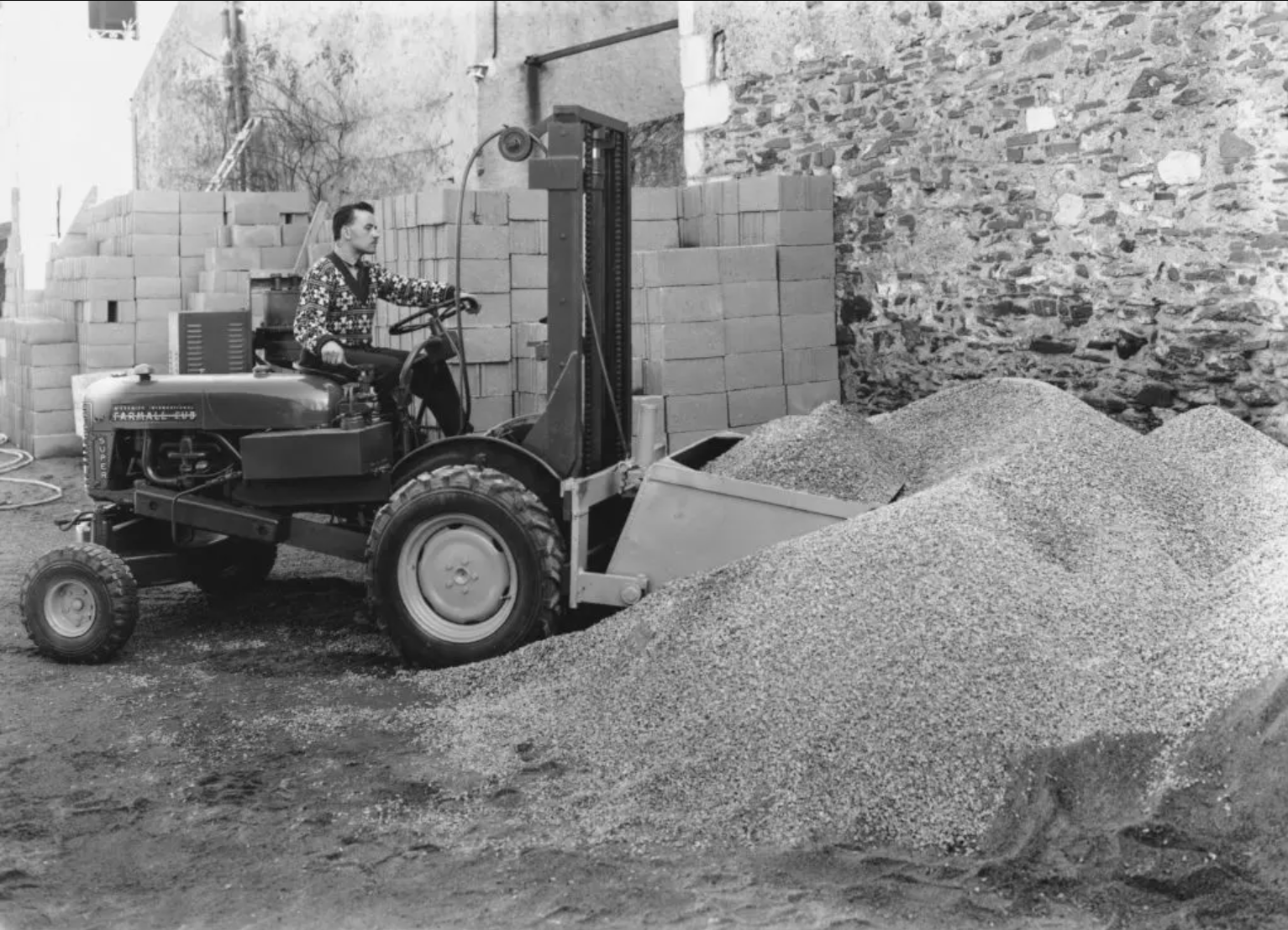
Back in the 1960s and 70s, construction sites and farms mainly relied on rough terrain forklifts, backhoe loaders, wheel loaders and small truck cranes. These machines could lift vertically, but they could not reach forward very far.
If you needed to place pallets behind scaffolding, reach over a fence, set materials inside a second or third floor, or work on uneven ground - you had to keep repositioning the machine. Or bring in a crane. Or handle materials twice. It was not efficient. And it was not always safe. So the industry needed something better. That is where the telehandler came in.
1950s to 1970s: Early Development and Commercialisation
Liner (UK)
The first true European telehandler is widely recognised as the Giraffe, introduced in 1974 by Liner Concrete Machinery Company (Gateshead). Developed after market research conducted at Loughborough University, the machine established the template for modern telehandlers used today in construction, industrial and agricultural sectors.
Key features included four equal-sized wheels, four-wheel drive, four-wheel steering and a telescopic boom. Although Liner did not survive commercially, its core concept was rapidly adopted and refined by manufacturers such as JCB, Matbro and Sanderson.
Pettibone (USA)
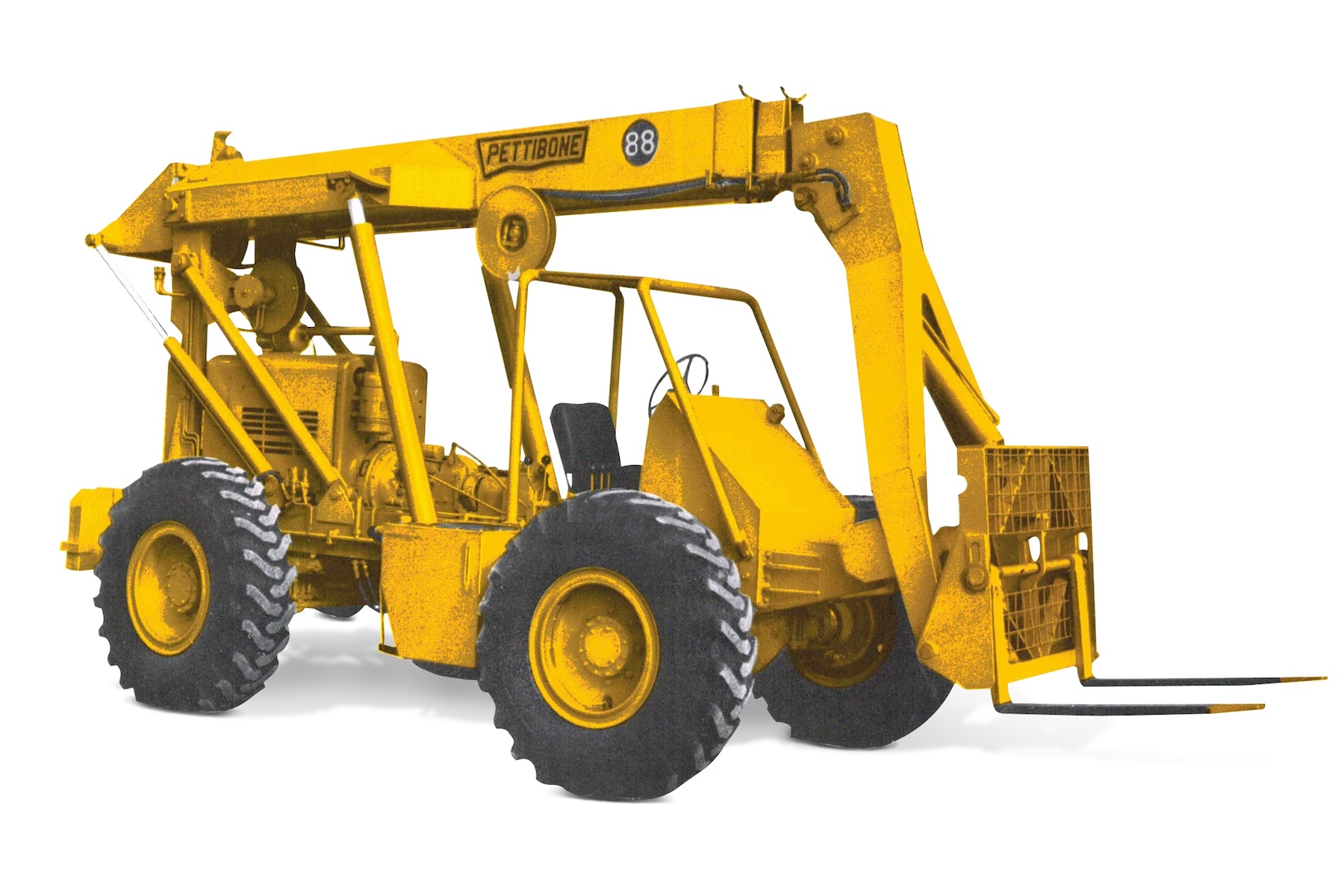
Pettibone developed the Cary-Lift in 1949 and launched its first telehandler, the Extendo 88, in 1970. Its signature innovation: Traverse horizontal carriage movement, allowing lateral load positioning at full lift height - a major advantage for masonry and scaffold operations.
Sanderson (UK)
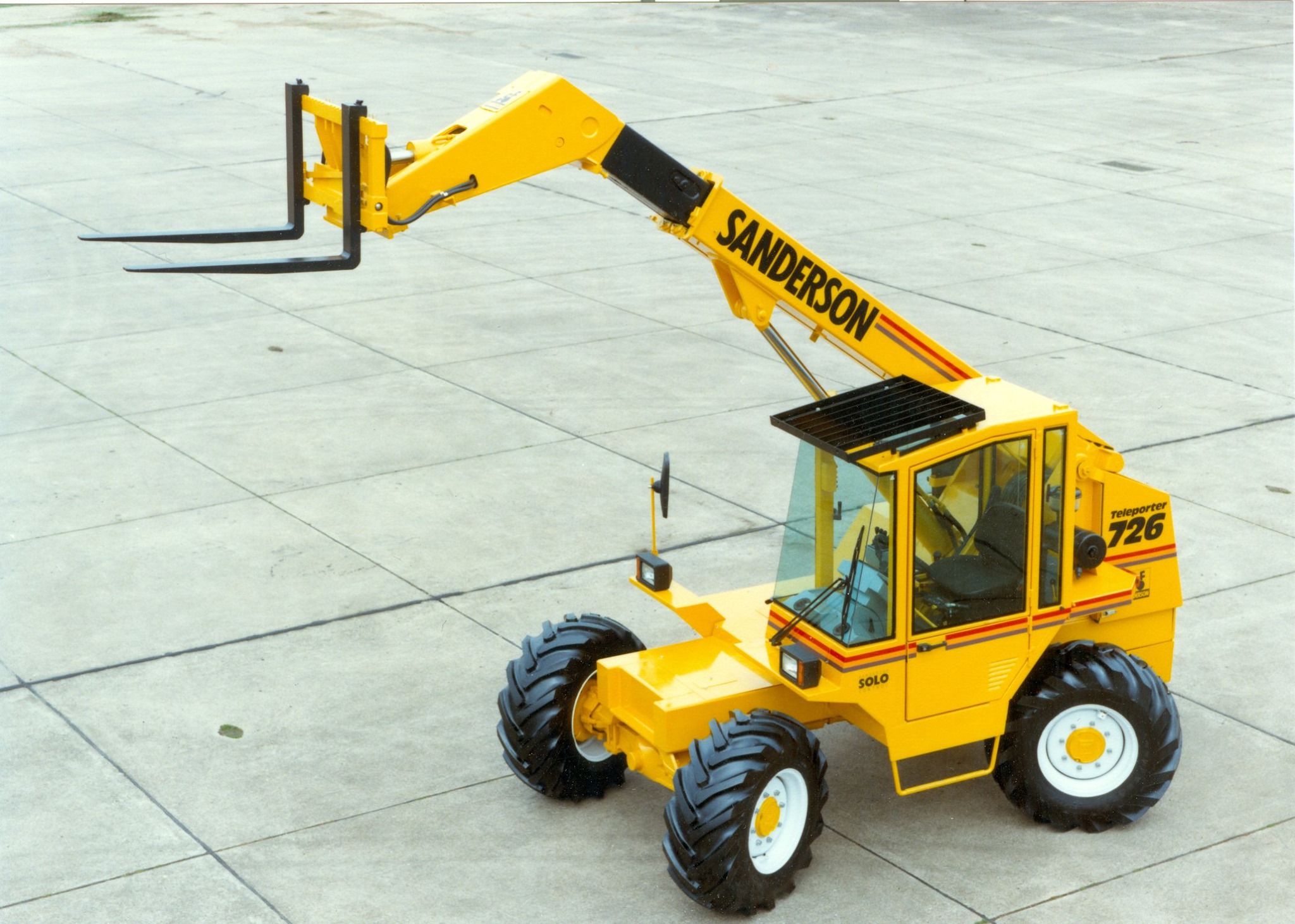
In 1979 Sanderson acquired rights to the "Teleporter" concept. The business was later acquired by CLAAS (1996-1998), then Caterpillar took over industrial/construction production in 2000, CLAAS and Kramer launched the Scorpion series in 2005, and Liebherr became OEM producer for CLAAS Scorpion in 2018. The Sanderson era marked a key phase in European telehandler industrialisation.
JCB (UK)
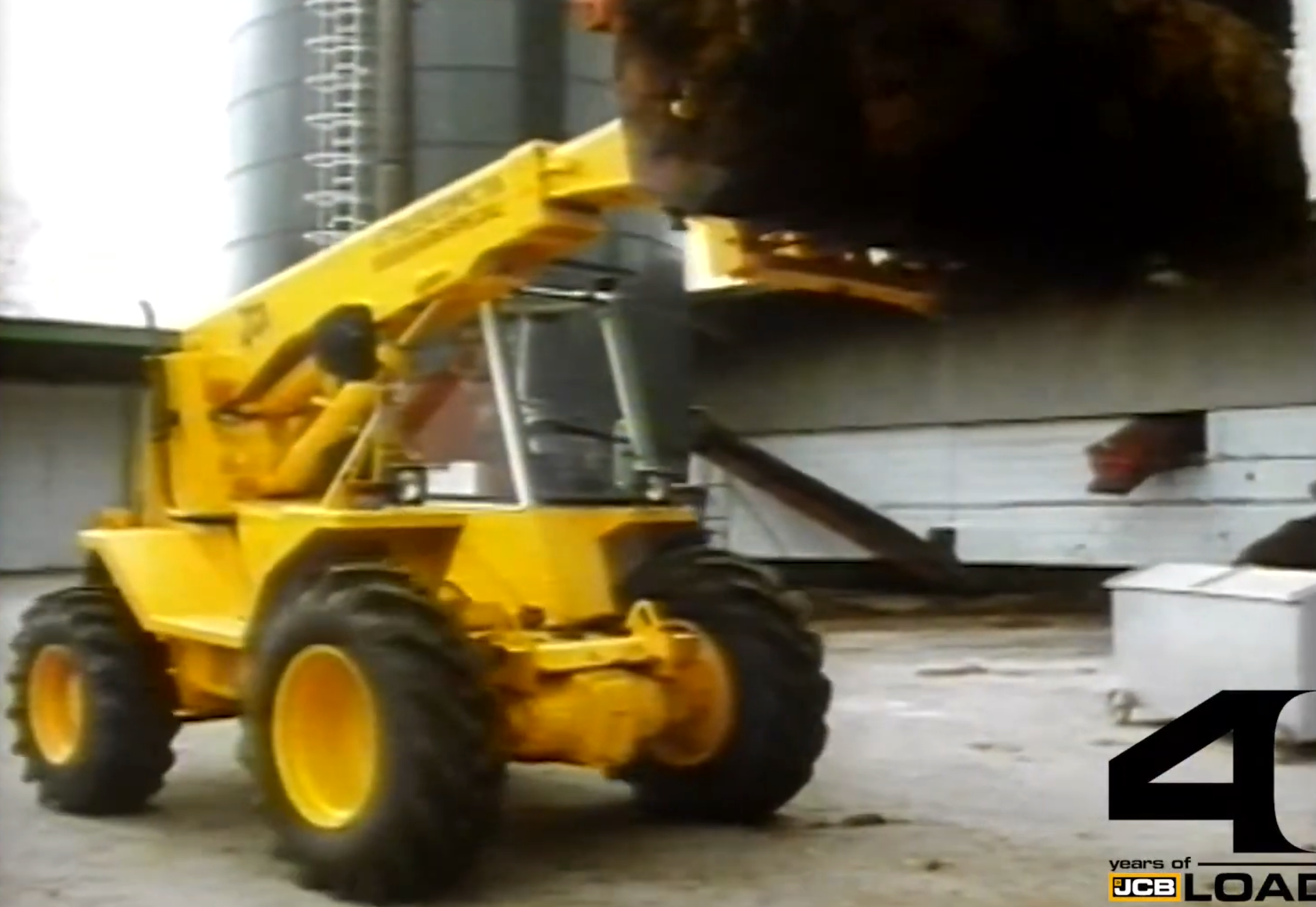
JCB began research in 1973 and launched the Loadall 520 in 1977. The machine consolidated high-reach, obstacle-overcoming pallet placement into a single forward-reaching unit.
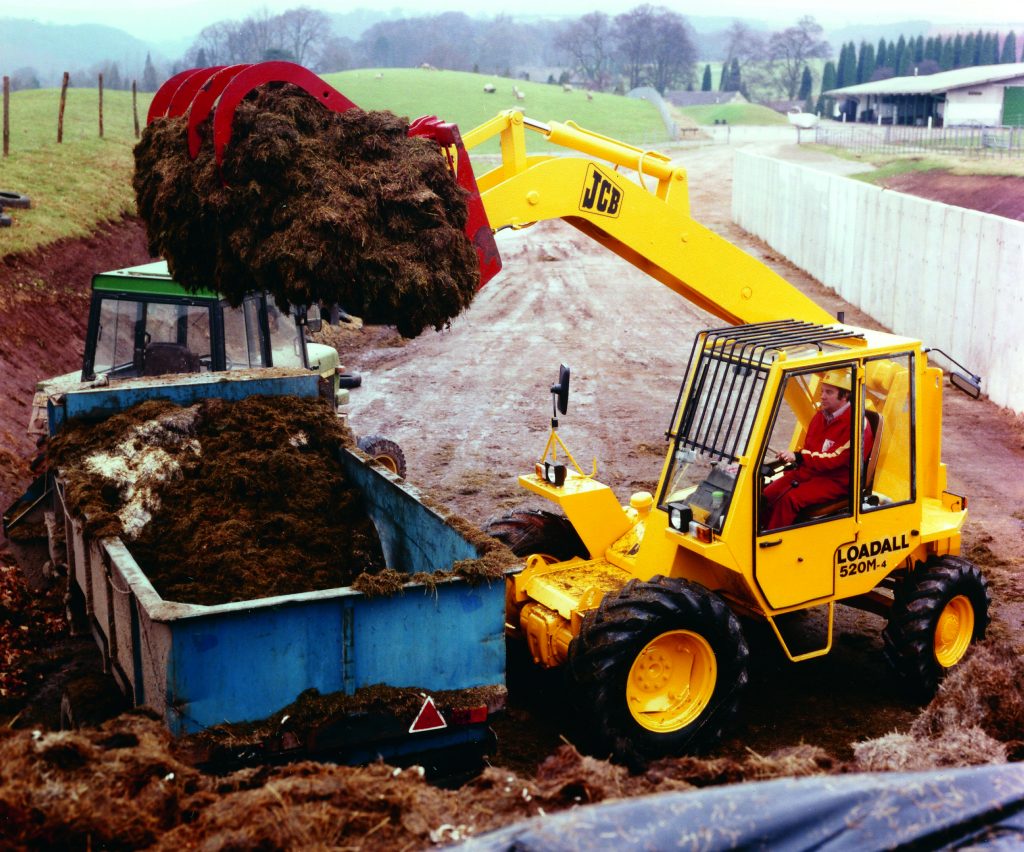
Key milestones: 1980 the 525 was introduced with higher capacity, 1981 the 520-4 was introduced with 4WD, and the Q-fit quick hitch system was launched. From 64 units sold in 1977 to over 270,000 units delivered today, JCB remains the global leader in telehandler production.
SkyTrak (USA)
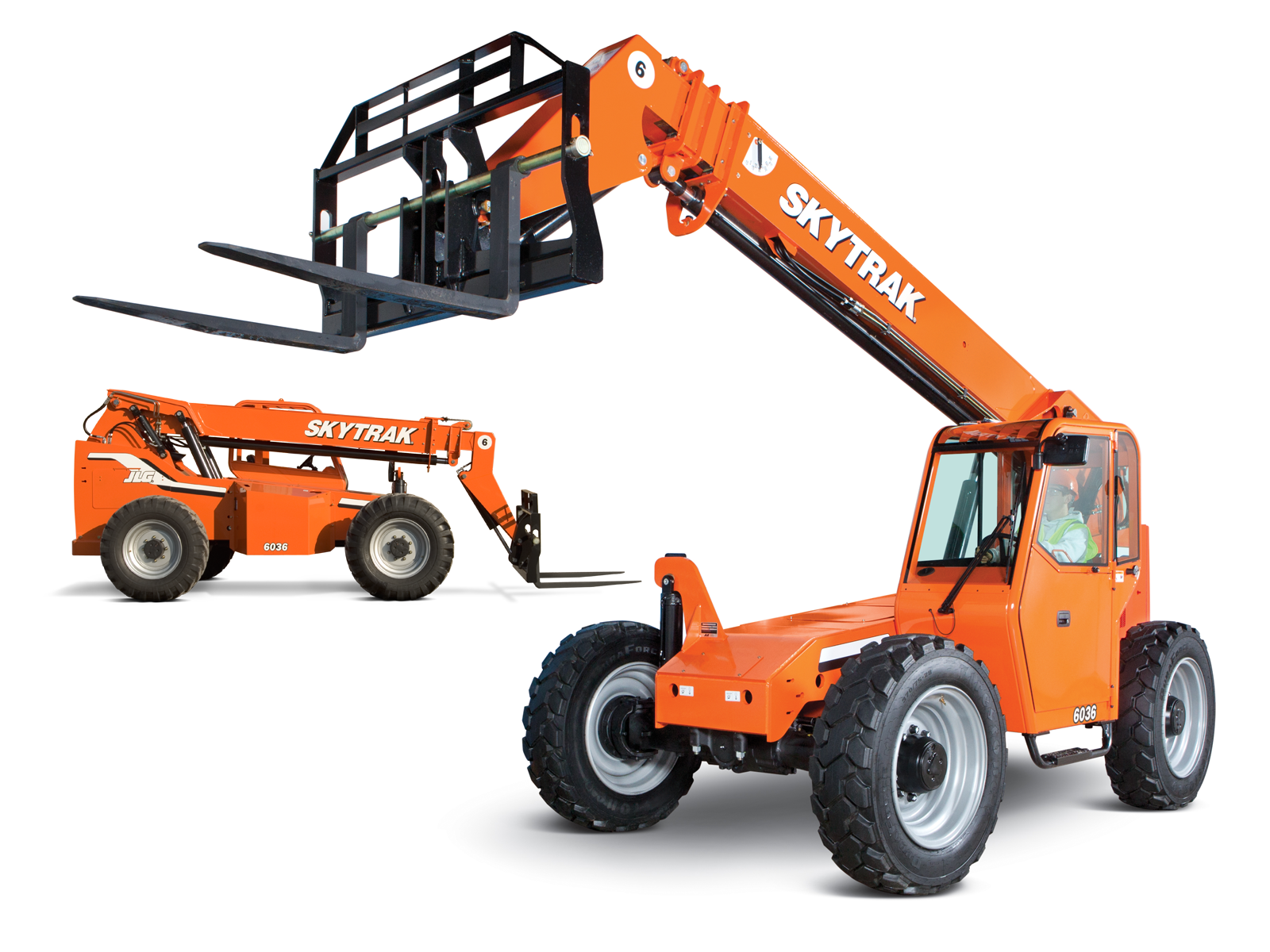
Acquired by JLG in 2003 (later part of Oshkosh Corporation). Recent redesigns include the SkyTrak 6034, 6042 and 8042, with new features including hydrostatic transmission, advanced control systems and electro-hydraulic joysticks.
1980s to 1990s: European Expansion and the Birth of Rotating Telehandlers
Manitou (France)
1982: Launch of Maniscopic series. 1989: Agricultural telehandlers. 1993: MRT rotating series. Manitou remains one of the top two global manufacturers today.
Merlo (Italy)
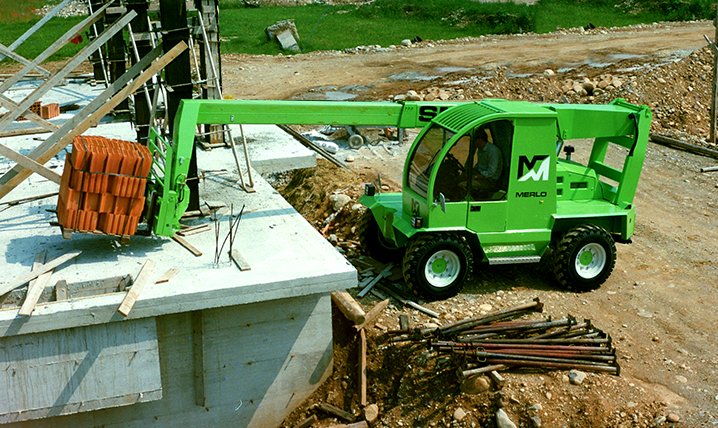
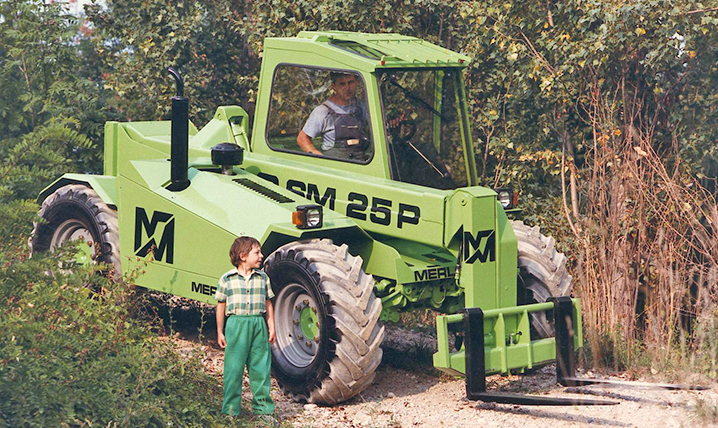
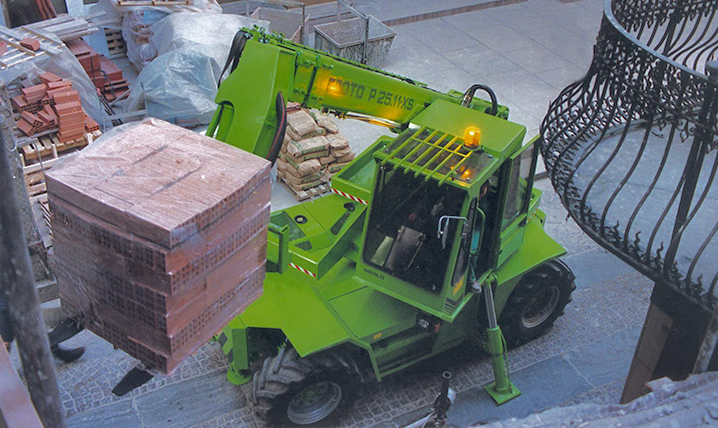
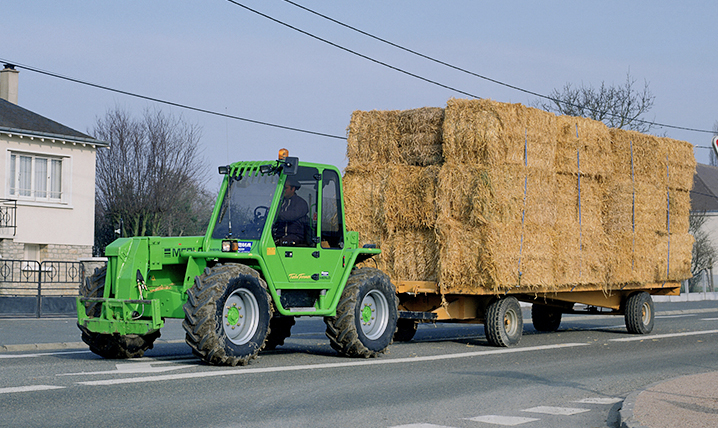
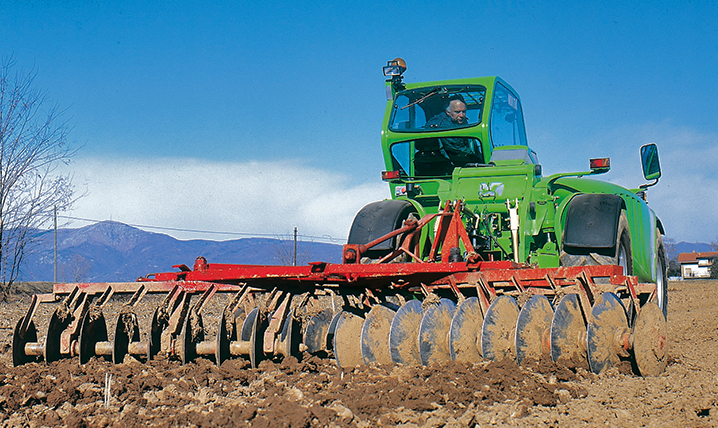
One of the most influential innovators in telehandler history. Key milestones: 1981 the SM30 (high pivot, twin boom section); 1987 the Panoramic XS (side-mounted engine, low boom pivot - blueprint for modern design); 1991 the ROTO 25.11 XS - the world's first 360 degree rotating telehandler turret; 1996 Turbofarmer agricultural series; 2000 Multifarmer (telehandler with tractor integration, 3-point linkage and PTO). Merlo maintains approximately 10% global market share.
A Timeline of the Category in Images
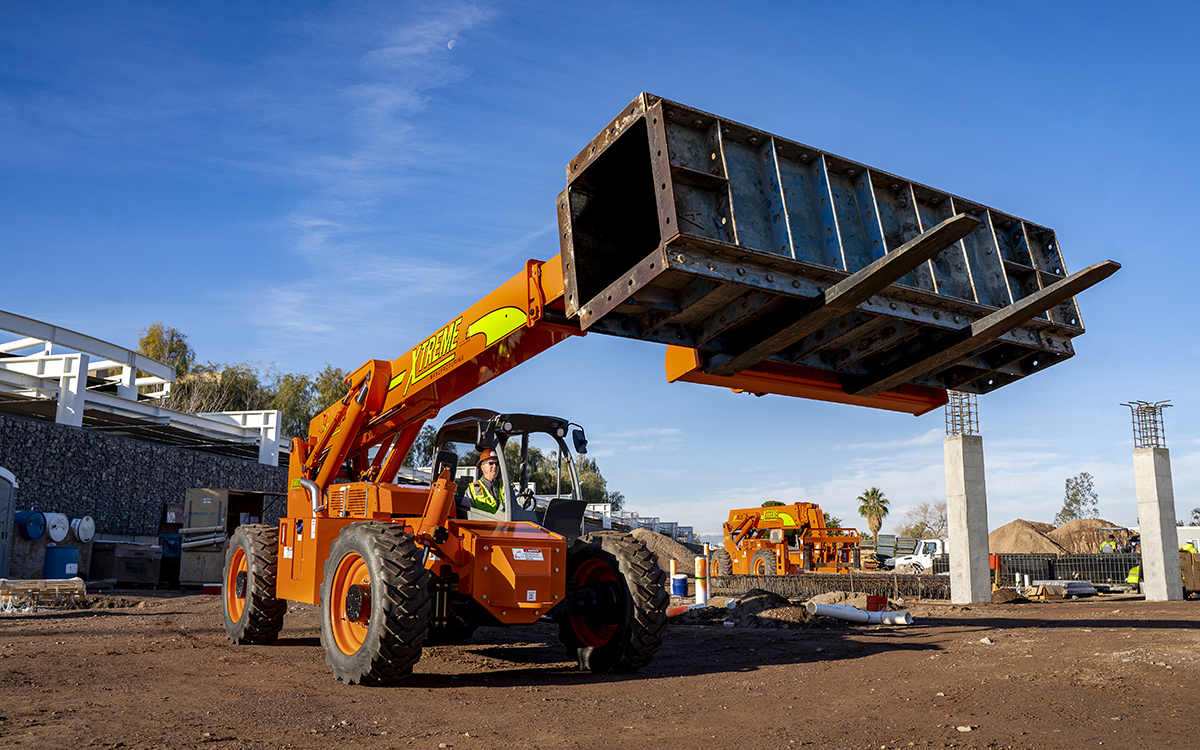
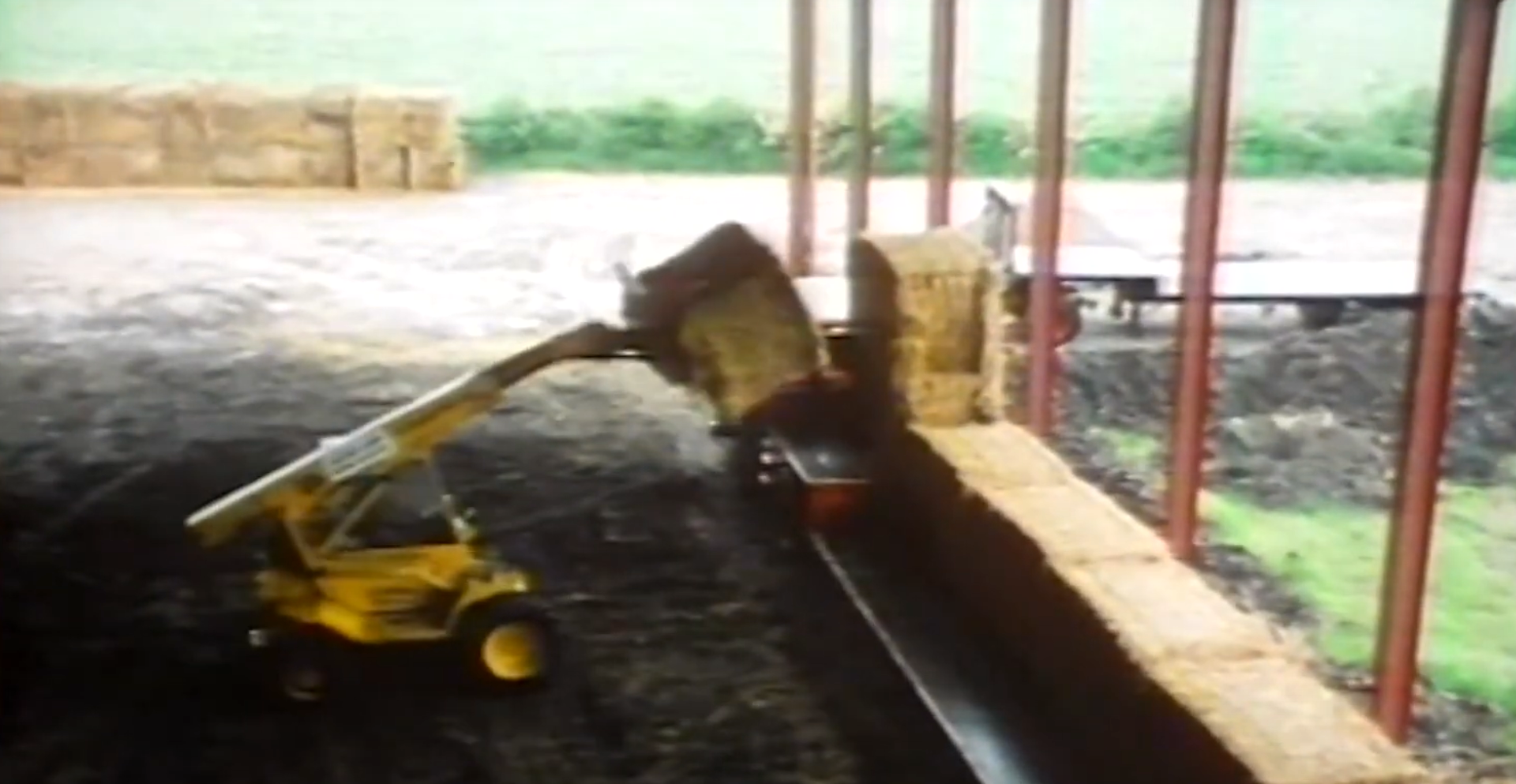
Early Machines
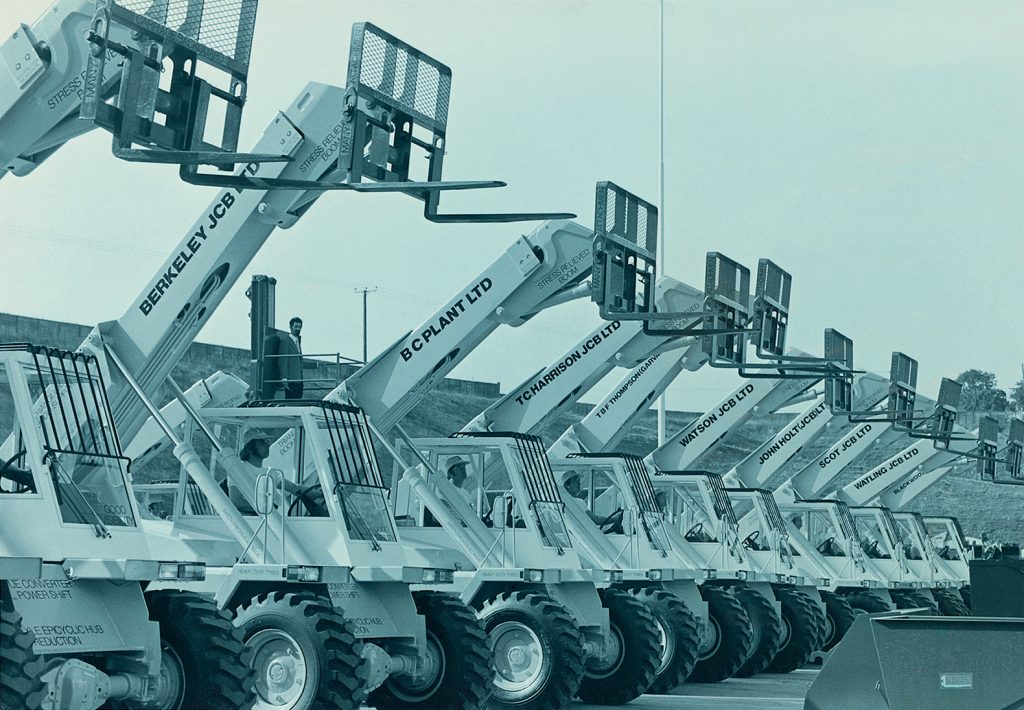
In Europe: 2WD, rear-wheel steering, larger front tires. In North America: high pivot booms, open hydraulic systems, torque converter and powershift, fixed carriage. Very functional - but basic.
Late 80s to 90s: Visibility and Safety
Side-mounted engines, lower boom pivots, chassis levelling systems, ROPS/FOPS cabs, multiple steering modes. Visibility and safety started becoming priorities.
2000s: Hydraulic and Electronic Upgrades
Load Sensing (LS) hydraulics, LUDV valve systems, electro-hydraulic proportional joystick control, wet multi-disc brakes, rapid attachment expansion. The machines became easier to operate, more rental-friendly and more durable.
2010s: Smarter and Safer
Load monitoring systems, attachment recognition, envelope control systems, Tier 4 Final / Stage IV emission compliance, hydrostatic transmission in mid-range models. Manufacturers started engineering out operator error.
2020s: Connected and Specialised
Telematics, remote diagnostics, electric and hybrid experiments, sub-75hp simplified engine strategies, agricultural cross-over models with 3-point hitch and PTO. Today, telehandlers are fleet-managed assets, highly specialised tools and increasingly digitised machines.
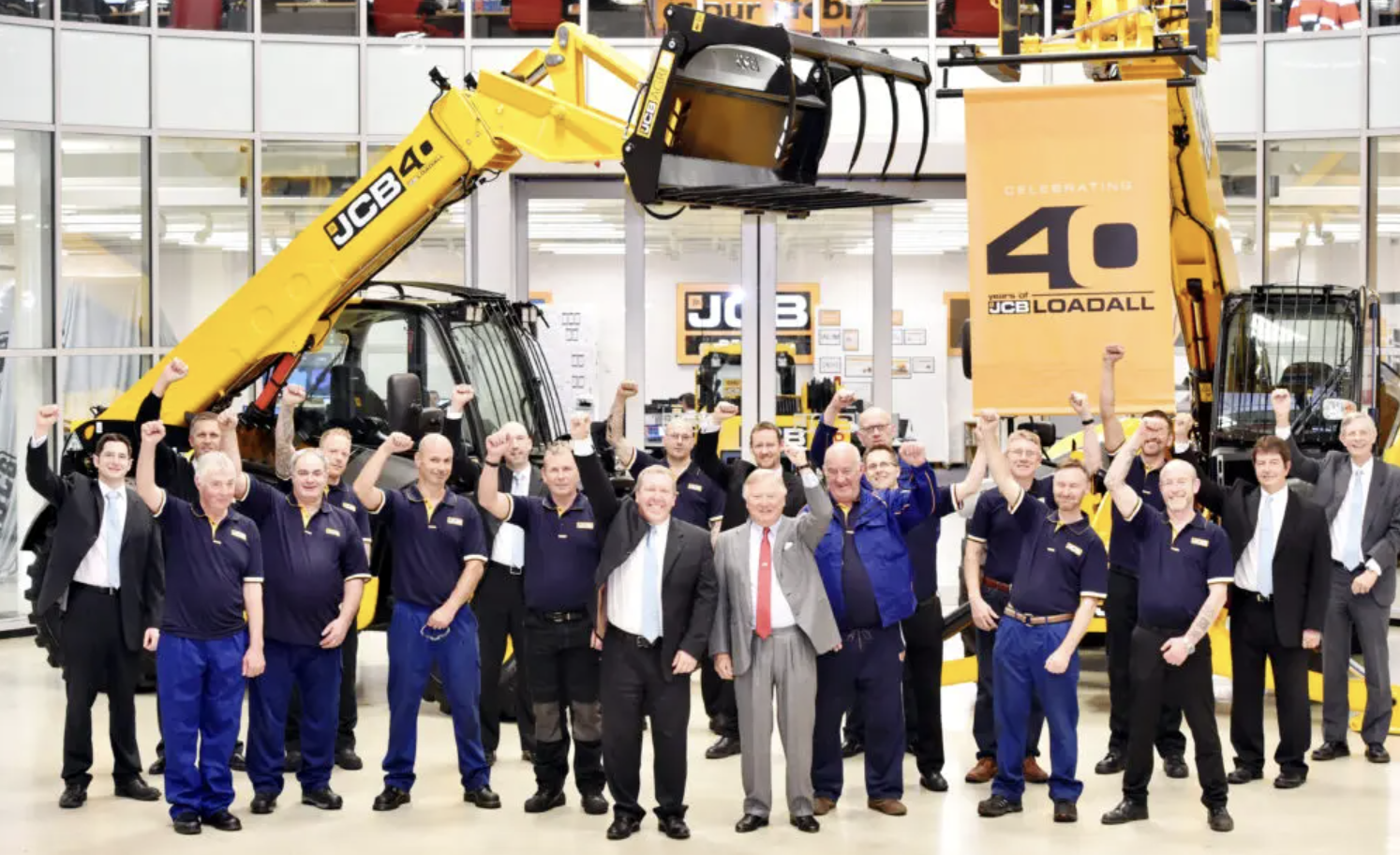
"Here's the strategic question: Why is China entering telehandlers 40 years later?"
1. Historical Reasons
In the 1980s, China was in the early years of Reform and Opening-Up. Many construction machinery enterprises were eager to introduce advanced foreign technologies. It was reported that 38 enterprises had independently approached either the Beijing representative office of Caterpillar or Komatsu, seeking discussions on technology transfer.
After more than a year of intense competition and thorough technical comparison, the Ministry approved signing six major technology transfer licence agreements with Caterpillar, involving twelve enterprises. The agreements covered power shift transmissions, 3300B series diesel engines, sealed and lubricated track assemblies, crawler bulldozers, wheel loaders and skidders. But telehandlers were not included.
2. Social and Technical Factors
While the installed base of excavators, wheel loaders, bulldozers, cranes and forklifts in China was steadily increasing, the country was experiencing rapid economic growth and urbanisation - particularly in road construction. Construction machinery was mainly used for large-scale earthmoving operations.
Because labour costs were relatively low, urban construction relied heavily on tower cranes and truck-mounted cranes, and many precision tasks were still carried out manually. As a result, telehandlers did not have a suitable environment in which to develop.
In addition, Chinese axle manufacturers did not previously produce compact wet-drive axles suitable for telehandlers, and hydrostatic transmission technology was not yet mature. Relying on imported components would have significantly increased overall costs. At the same time, China's construction industry faced large-scale debt issues, which greatly slowed equipment replacement cycles.
3. What's the Future?
Now everything has changed.
SANY, Zoomlion, XCMG, LiuGong, Heli and other OEMs are all now using drive axles supplied by the Chinese hydraulic technology company Transpower, which has significantly reduced overall product costs. OEMs who previously made forklifts, construction machinery or EWPs have all started developing telehandlers, and some have already launched products for several years. Rental companies in China are already showing significant interest.
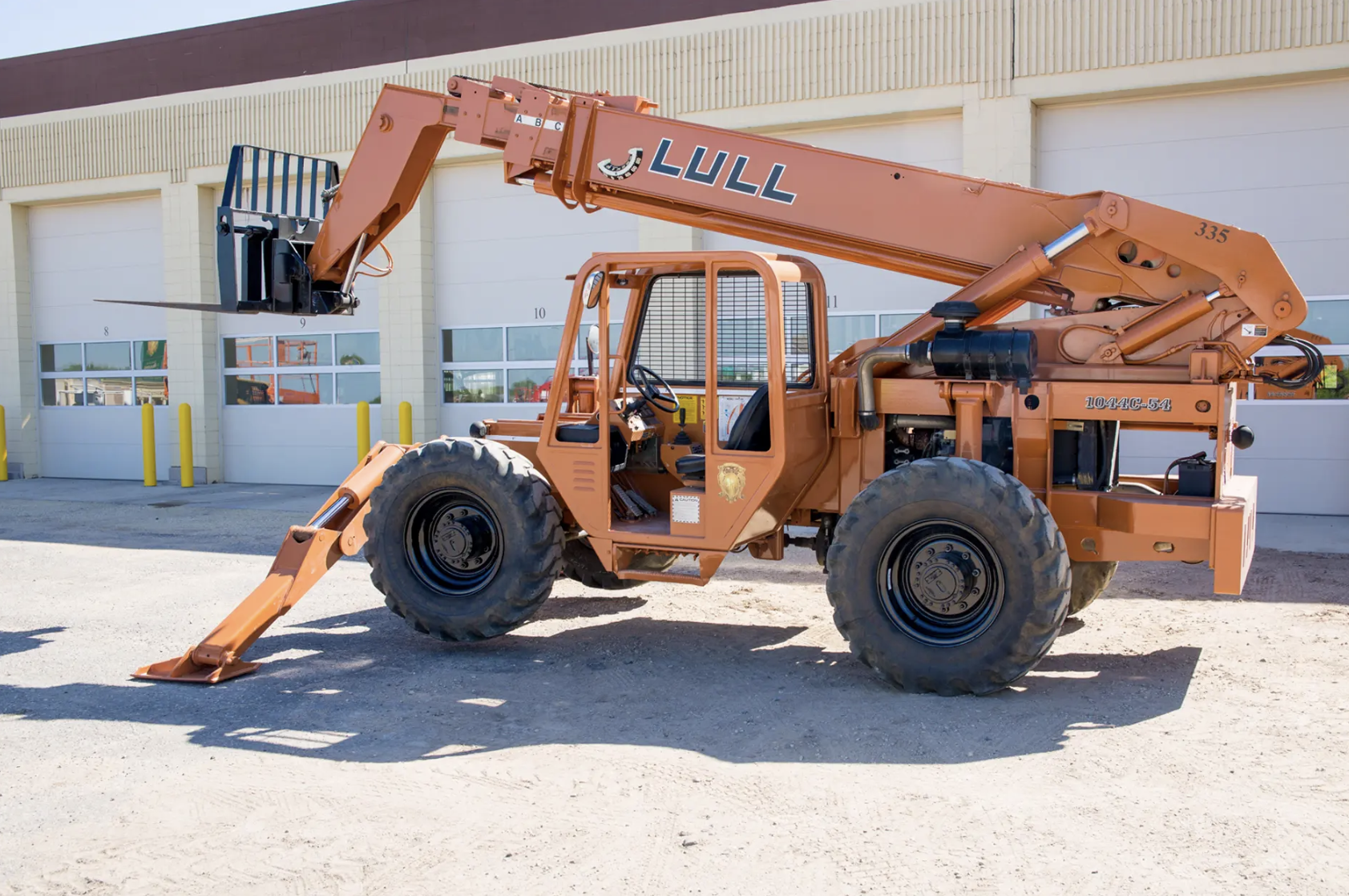
However, most companies' products are essentially copies of one another. Meanwhile, the attachment ecosystem that supports telehandlers in China is still in its early stages of development. As the primary market for telehandlers, Europe and North America present very high barriers to entry. With a large influx of Chinese-made equipment, it is inevitable that Europe will respond with stricter policies to restrict low-cost or non-compliant products from entering the market. For many small manufacturers, this could prove devastating.
Sino Partners focuses on the study of Chinese OEMs in the industry. We help them identify problems with their products or marketing strategies, propose solutions, or assist them in expanding into the Oceania market, building a distributor network and maintaining continuous growth.
Contact Sino PartnersAt Sino Partners, your success is our success.